Marcus Aurelius
Roman121–1802 quotes
Biography
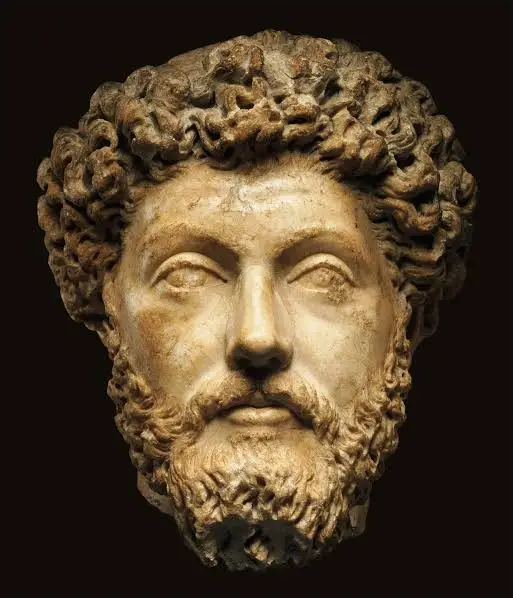
Marcus Aurelius ruled Rome for nineteen years and left no surviving memoir, no defence of his reign, no account of the wars he fought. What he wrote instead was a private notebook, addressed to nobody but himself.
He took the throne in 161 and shared it with his adoptive brother Lucius Verus. Rome won the eastern war against Parthia, and the returning army carried plague home. Most of his later reign went to the northern frontier, broken by a revolt in 175 that took him east; he died on campaign in 180. Part of the notebook was written in those years.
Meditations is a later name for it; no title of Marcus's own survives. He wrote in Greek, not as a treatise — the same few arguments set down again and again: that the world is governed by providence, that virtue is the only thing wholly in his power, that the people who irritate him are his own kin.
The repetition is the point. These were not doctrines he mastered once and moved beyond, but arguments he kept needing again — reminders, from the ruler of the Roman world to himself, about what kind of man not to become.
Sources
Stanford Encyclopedia of Philosophy — Marcus Aurelius: https://plato.stanford.edu/entries/marcus-aurelius/
Internet Encyclopedia of Philosophy — Marcus Aurelius: https://iep.utm.edu/marcus-aurelius/
Britannica — Marcus Aurelius: https://www.britannica.com/biography/Marcus-Aurelius-Roman-emperor
Marcus Aurelius Quotes
2 quotes
“Live a good life. If there are gods and they are just, then they will not care how devout you have been, but will welcome you based on the virtues you have lived by. If there are gods, but unjust, then you should not want to worship them. If there are no gods, then you will be gone, but will have lived a noble life that will live on in the memories of your loved ones.”
— Marcus Aurelius
“When you arise in the morning, think of what a precious privilege it is to be alive - to breathe, to think, to enjoy, to love.”
— Marcus Aurelius